
Rosalee Brown
Do you get enough sleep and consume a balanced diet but just can't seem to get the stamina to maintain your power walk, jogging or other forms of physical activity?
This can be frustrating when you know that your daily physical activity is not only important to overall health, but also to reduce unhealthy body fat, increase muscle mass and to accomplish a personal milestone such as competing in an important competition. The problem could be iron deficiency.
Iron is a very important nutrient which is essential in many metabolic processes and also in the transportation of oxygen to vital tissues in the body. Our red blood cell, a significant component of which is iron, is a vital vehicle in getting this job done. If muscle tissues are not efficiently saturated with oxygen when they demand it, especially during increased physical activity such as power walking, jogging, running and other forms of endurance activity, then performance will be impaired.
So, if you are consuming a healthy diet how could you possibly be anaemic? Well, there are many medical reasons for this condition which should be confirmed by a medical doctor after careful investigation including laboratory findings.
Affect men and women
Anaemia can be a problem in active women and men. A healthy man will lose about 1mg of body iron daily as a result of the breakdown of cells and other losses. This becomes greater with increased physical activity as there will be increased muscle damage and therefore increased need.
Iron is stored in small quantities in the body relative to some other nutrients. There is approximately four to five grams stored in haemoglobin and in the bone marrow of adults. The recommended dietary allowance (RDA) is approximately 15mg per day for females and 10mg per day for males. Before there is frank anaemia, the iron stores can start to deplete resulting in some symptoms which may be experienced in an active individual or athlete. Performance is reduced, a burning sensation is experienced in working large muscles such as the thigh, nausea and ice eating and even pica (eating of non-food items such as chalk) are experienced in some individuals.
Apart from the daily losses in faeces, some athletes, such as runners, are said to have bowel ischaemia, damage to stomach from chronic use of pain medication, increased red cell breakdown from the impact of the feet with running surface, sweat, and so on. Boys, aged 11 to 14, are at great risk of anaemia because of the rapid developmental phase of growth at this age and female athletes are at even greater risk of anaemia because of the losses from monthly periods, and some women who are recreational athletes may be plagued with problems of heavier periods.
Pre-menopausal women
Very heavy periods can be a problem for pre-menopausal women as well. The loss from a period can be from 0.6 to greater than 1.5mg of iron per day. Many people may not be consuming adequate amounts of iron-rich foods to keep up with their specific needs.
It is also said that athletes tend to absorb less iron from the gastrointestinal tract when compared to non-athletes. And there are others, especially women, who are striving to achieve a target weight and may not be consuming adequate amounts of iron-rich foods to meet their specific needs.
Diet tips
Have a balanced diet from all food groups including: red meat, lean animal foods, beans, green leafy vegetables, iron-enriched vegetarian foods, vitamin C-rich foods with plant sources of iron, a prescribed iron supplement. Avoid teas and coffee as they can inhibit absorption of plant sources of iron.
Rosalee M. Brown is a registered dietitian/nutritionist who operates Integrated Nutrition and Health Services; email: yourhealth@gleanerjm.com.
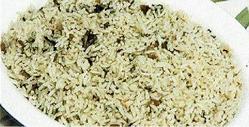
Green leafy vegetables such as callaloo can be used in interesting ways to increase dietary iron intake. - File


















