Barbara Ellington, Lifestyle Editor
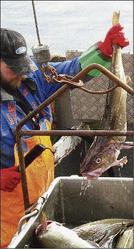
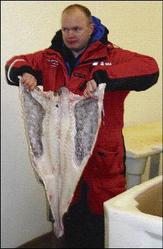
Left: NSvein Wara, marketing manager of the Norwegian Seafood Export council, holds a 20-pound cod after it had been cut open and the bone removed. This is the size imported by Brazil. Right: A fisherman displays a freshly caught cod; the head is quite normal. - photos by Barbara Ellington
And it came to pass that in the days when saltfish used to 'shingle housetop', generations of Jamaicans were incorrectly told by their elders that should they ever see the head of a cod, they would have stopped eating the fish. In fact, just last week in Norway, the owner of the Atlantic company that exports most of its salted fish to Jamaica showed this reporter copies of pictures of an ugly monster emailed to him. The creature, which looks like something from a horror movie, was supposedly a codfish.
Well, I can testify and the pictures on this page will confirm that the cod and the saithe (saltfish used here) are quite normal and their heads are too! But, the monk fish and the wolf fish would not win any beauty contest!
Last week, three members of the local media visited Norway and got a chance to see the story of dried salted fish unfold. We toured fishing ports, a fish farm, factories where the heads are removed and fish packed for processing as well as the drying facilities and shipping points.
For lunch and dinner, we ate cod and saithe prepared in a number of delicious ways, and in subsequent Food sections we will share some of those recipes with you. In other countries like Greece, Portugal and Brazil, there are over 1,000 ways to prepare fresh and salted cod. You name it, from soup to casserole, salted fish is versatile.
(While in Norway, we were hosted by the Norwegian Seafood Export Council.)
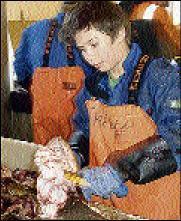
Twelve-year-old Preben removes the tongue from the head of a codfish at Gleaa Factory in Rost, Norway; he makes up to US$9 per kilo after school. They are only limited by availability of heads and boys vie for the jobs.
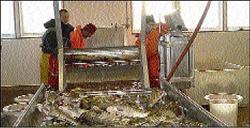
Workers remove the freshly caught cod and pack them into huge containers to be sent for processing.
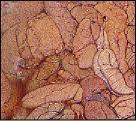
The roe (eggs) are a delicacy and most of it is exported and sold as caviar.
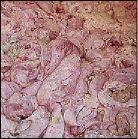
This is the liver of the cod, used to make that precious oil we had to drink as children.


















