
Tropical storm Gustav has left us with several deaths, landslides and broken bridges. Many persons have flooded homes, overflowing canals or other pools of water in their communities where none previously existed. Our young people, especially boys love to frolic in these new water ways to pass away the time. However, this practice is dangerous since this water may be contaminated with sewage or the excrement of rodents. Even swimming in rivers may put you at risk since they may be contaminated with sewage. Exposure to these untreated waters may cause water-borne diseases such as leptospirosis.
Leptospirosis
Leptospirosis was spread in epidemic proportions in 1995 when Nicaragua experienced widespread floods. During the summer months when flooding occurs in some urban areas of Brazil, leptospirosis is a common occurrence. Persons involved in clean-up efforts after the flood are susceptible to this infection. Leptospirosis affects men more frequently because of their involvement in outdoor occupations which brings them in contact with affected soil and water. However, in our tropical country with heavy rainfall, it affects men, women and children exposed to contaminated water and mud.
Leptospirosis is caused by finely coiled spiral bacteria called spirochaetes. They live in rodents, in particular rats, and are shed in their urine. The spirochaetes can survive for months in freshwater, vegetation and soil. People who come in contact with infected urine or urine-contaminated material are infected via the skin, eyes or the mouth. Contact with dead animals infected by the spirochaetes can also cause the disease.
Symptoms of leptospirosis
The symptoms of the disease begin one to two weeks after exposure to the infected waters. Most people will have a flu-like disease of fever, chills, and muscle pains in the calves and back. Most people will feel better in a few days, but the illness will seem to recur in a day or two and at that time the sick person may complain of severe headache, fever, blood in the eyes and jaundice. Many people will eventually recover but about 10 per cent will experience severe illness which affects the brain, kidneys and the liver. Death can result from meningitis and heart failure.
Leptospirosis is diagnosed by a specialised test which identifies the spirochaete in the urine. Blood tests are also available to detect the disease. The mild form of the disease usually requires only treatment of the symptoms, such as relief for pain and fever. The serious form of the infection is treated with antibiotics. Vaccines are available in some Asian countries but require administration every year. People likely to be exposed to the spirochaetes may take prophylactic antibiotics for short periods.
Prevention
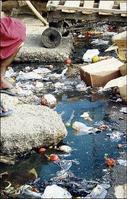
A pool of dirty water downtown. - Alana Igbe/Freelance Photographer
Prevention is best achieved through avoidance of contaminated areas. People who must work in these areas should wear water boots, gloves and face shields. During this time of floods due to storms and heavy rainfall, children must be instructed to avoid playing in groundwater in canals and along the road. Every effort should be made to rid your house and yard of rats.
Dr Pauline Williams-Green is a family physician and president of the Caribbean College of Family Physicians; email yourhealth@gleanerjm.com.