Eulalee Thompson - BE WELL
The truth is that being poor is not a badge of honour. And, those who are better off and placed in positions to improve the lot of citizens of this beautiful country should not pretend that it is. They do us a grave injustice.
Poor people, for example, are at greater risk for ill-health and, if you stop and think about it, there's a chicken-and-egg situation as good health is protective against poverty. Kofi Annan, former UN secretary general and Nobel Peace Prize recipient 2001, who spoke always of the disparity between the rich and poor and the health burden of poverty had said:
"We shall not finally defeat AIDS, tuberculosis, malaria or any of the other infectious diseases that plague the developing world until we have also won the battle for safe drinking water, sanitation and basic health. The best cure for all these ills is economic growth".
Annan said too in his Nobel Lecture that, "Poverty begins when even one child is denied his or her fundamental right to education. What begins with the failure to uphold the dignity of one life, all too often ends with a calamity for entire nations".
Mental illness and poverty
The link between mental illness and poverty has been an ongoing concern of researchers. A recently published large-scale study (Hudson, New England Psychologist) found that poverty is directly and indirectly linked to mental illness. Economic deprivation related particularly to housing and unemployment impact mental illness.
The researcher found mental illness to be three times more prevalent in low-income communities, data which are consistent with the findings of previous studies examining the poverty-mental illness link.
In this seven-year study, the Massachusetts, USA researcher, Christopher G. Hudson, PhD, examined the records of more than 34,000 patients who had been hospitalised because of mental illness at least twice between 1994 and 2000. Read the study and reflect on our own situation in Jamaica in terms of mental disorders.
Dying for change
The World Health Organisation's (WHO's) publication, Dying for Change - Poor People's Experience of Health and Ill-health, states that:
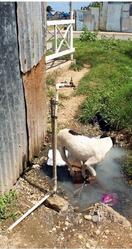
"Poverty creates ill-health because it forces people to live in environments that make them sick, without decent shelter, clean water or adequate sanitation. Poverty creates hunger, which in turn leaves people vulnerable to disease. Poverty denies people access to reliable health services and affordable medicines, and causes children to miss out on routine vaccinations. Poverty creates illiteracy, leaving people poorly informed about health risks and forced into dangerous jobs that harm their health."
In an accompanying WHO study, Voices of the Poor which was prepared for the World Bank to examine world poverty, most poor people mentioned lack of food more frequently than any other want and they articulated their own perception of the link between food deprivation and disease:
"(Hunger and malnutrition) cause weakness and exhaustion, and make people more susceptible to infections. Many people say they eat only once a day and sometimes have nothing for days on end. The poorest people rely on what they can find growing wild or by catching fish and shellfish. In towns, hunger is less dramatic or obvious than it is in rural areas, but poor people in Jamaica say that it is even more prevalent there than in the countryside."
Fight poverty
The WHO says that based on its research, poor people face specific health needs and specific barriers when they attempt to access health care and so, overall improvements in health status or countries' efforts to reform health services, will not necessarily benefit the poor.
They need targeted interventions. Without targeted interventions, the inequality in access continues and poor people will continue to shoulder a disproportionate amount of a country's ill health with negative spin-offs for everyone.
Let's stop embracing poverty. Fight it. Nobody really wants to be poor.
eulalee.thompson@gleanerjm.com