Robert Lalah, Assistant Editor - Features 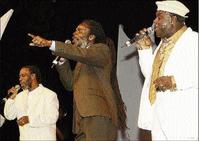
The Mighty Diamonds
IT WAS mid-1969 and Jamaica's burgeoning music scene was enjoying growing popularity internationally. Desmond Dekker and the Aces had broken new ground by taking their biblically inspired Israelites to the top of the United Kingdom singles chart and had infiltrated the United States Billboard top 10.
Back home on the gritty streets of Kingston's impoverished ghettos, music was increasingly becoming the avenue not just for financial advancement, but for the expression of identity and the 'chanting down' of social injustices.
Icons of roots reggae
It was in Trench Town, breeding ground of some of reggae's biggest names, that a young Donald 'Tabby' Shaw, Fitzroy 'Bunny' Simpson and Lloyd 'Judge' Ferguson first came together. The Mighty Diamonds were born. Little did they know at the time that they would go on to become icons of roots reggae.
Nearly 40 years and 52 albums later the trio is still together, travelling the world and thrilling fans. Last week, fresh from an extensive tour of the United States' west coast, The Mighty Diamonds sat down with The Sunday Gleaner and reflected on their career that has brought them untold respect in the music industry and a following that spreads across every continent.
"Back in those days when we were starting out it was a struggle. It's not like nowadays when it seem like any and everybody can just get into a studio and start record. Those days everybody wanted to record, but the producers back then demanded only high-quality stuff. You couldn't go there with anything that needed too much work. You had to spend time rehearsing on your own. Day and night we would have to get together and rehearse before we even approached a producer," said Tabby.
The trio recalled standing outside large iron gates of recording studios for hours in the company of other aspiring musical acts, waiting for their shot at making it.
"Many hours, man. Even though we were well prepared, because we were well rehearsed. We had to just work hard and be patient, hoping that at some point we would make it," Bunny said.
Unmistakable sound
But even with their dedication, success did not come easily. The Mighty Diamonds made a few recordings and appeared on a handful of small-scale talent shows, but the hours of rehearsing and waiting were putting a strain on personal relationships and the trio started questioning whether their dream of making it big would ever come true.
"It was a real struggle for several years, man. Times were hard and we were getting frustrated with the pace of things. We really started to wonder if we should just give it up altogether. It seemed like maybe this thing would not work out for us," Judge recalled.
It was six years after their initial coming together as The Mighty Diamonds that the trio would get the break that would change their lives. A sample of their work fell into the hands of producer Joseph 'Joe Joe' Hoo Kim, who owned and operated the legendary Channel One recording studio on Maxfield Avenue.
"It was only when Joe Joe got a sample of the work that we finally got a chance to do something really big," Tabby recalled with a smile.
And that they did. Under the guidance of the Channel One team, The Mighty Diamonds developed their unmistakable melodic sound and in 1976 released their much celebrated debut album, Right Time. That album has become a must-have for reggae collectors and produced many of the songs that have come to define the group.
"That is still the most popular album we've done. Especially in Europe. The people scoop it up like hot bread, even today. Anywhere we go we have to do songs from that album, because that is what the people want to hear more than anything else," said Tabby.
Among the timeless tracks on Right Time are I Need a Roof, Africa, Have Mercy and the title track.
In the years following the release of their debut album, The Mighty Diamonds would enjoy great success as they produced such favourites as Country Living and the popular Hey Girl. Pass the Kouchie also became an international hit when first released and again when it was covered by British youth group Musical Youth and released as Pass the Dutchie.
Established veterans
Today, as established veterans of a musical genre they helped to popularise, The Mighty Diamonds are comfortable and still working hard even while enjoying the fruits of the labour they put in.
"It's just more music and more of spreading the message. That is what we do. It's not just a job and we don't just do it for the money. This is our life," Bunny said.
Even with the extensive change that Jamaica's music scene has undergone since The Mighty Diamonds first came on the map, the harmony trio is intent on having another hit song locally.
"Things are different now and many of the people here are listening to things that have a different sound.
New generation
But the Jamaican people love the Diamonds and we are sure that we can have another number one in Jamaica so that a new generation of people here can get to know who we are. We can do it without changing our sound. We can and will do it with a roots reggae song. Is just a matter of time," Tabby declared.
Now this might seem like a difficult task, especially with the chokehold that dancehall has on the local market, but The Mighty Diamonds are adamant and, with their track record, it's hard to doubt them.
After all, they do say that diamonds are forever.
The group will be touring the United States from August 7 to 24.
robert.lalah@gleanerjm.com