
Rosalee Brown - DIETITIAN'S DESK
Dear Ms Brown:
I am a regular reader of your column in The Gleaner. I am asking kindly for your assistance. I am a diabetic (type 2). I am able to keep my blood sugar level relatively stable through diet, exercise and a minimum amount of medication.
However, I am having a problem with regards to the price of nutritional diabetic drinks now available on the market. Could you give me some recipes so I can make my own drinks (shakes). Your assistance on this matter would be greatly appreciated. Keep up the good work.
Dear Reader:
Congratulations on your ability to maintain control of your diabetes. This usually can be done by consuming adequate amounts of foods from all the food groups, daily physical activities, taking prescribed medications and checking blood sugar on a regular basis.
Carbohydrates, which include starches and sugars, are important sources of energy as when digested, they transform to blood glucose to fuel the body. The blood transports this fuel to various parts of the body where it is needed. Most of the foods we consume are sources of carbohydrates. Some foods, such as cereals, legumes, ground provisions and some starchy vegetables are higher in starches than sugars and, foods such as fruits, milk and some vegetables are higher in sugars than starches.
The need for carbohydrate (energy source) is determined by many factors including our gender, age, activity level and our ability to utilise it. Because energy is used by our bodies continuously throughout the day, it is best to replenish this source at several planned intervals. Therefore, it is best to have planned meal times of at least three main meals and, for many persons, smaller main meals with two additional snacks work very well in helping them to keep control.
Convenient meals
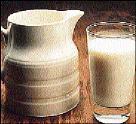
Milk and soya drinks can be used as bases for your home-made diabetic drinks.
Diabetic drinks or medical nutritionals are conveniently proportioned liquid meals which are suitable for snacks or replacing parts of a meal or a whole meal depending on the individual's needs. They are usually milk or soy based with complex sources of carbohydrates, fibre, proteins, fat and additional vitamins and minerals. There are several brands on the market, and consumers have several preferences based on the effect they have on post-meal blood sugars, variety, guidelines on the labels and price. They are best used for times when a regular meal is difficult to acquire or for persons unable to consume solid foods.
Liquid meal can be made using milk or soy as the base, with the addition of other ingredients such as fruits, vegetables, cereals, seeds, nuts, etcetera. You can both experiment with various combinations of ingredients and amounts and see how this affects your post-meal blood sugar.
My best recommendation is to have an individual consultation with a registered dietitian who would give you more specific guidelines based on your specific needs. He or she could guide you on how to make liquid meals using the ingredients you have available to provide nutrients similar to the canned diabetic drinks.
Contact your hospital or health centre for a dietitian or nutritionist, and some of them are in private practice so you can check the yellow pages.
Rosalee M. Brown is a registered dietitian/nutritionist who operates Integrated Nutrition and Health Services; email: yourhealth@gleanerjm.com.