Kenneth Gardner
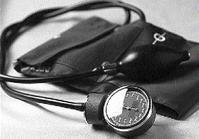
High blood pressure is pre-valent in both men and women. Studies have shown that moderate intensity exercise could be just as helpful as intense exercising in reducing blood pressure in persons with high blood pressure or in persons who are at risk. Low-to-moderate intensity exercise routines are easier for individuals who have high blood pressure, just to get them started and to adhere to the routine.
Persons who participate in high-intensity exercise routines are more prone to injuries. It could also put too much stress on their cardiovascular system too quickly and cause more problems for the individuals. High-intensity exercise routines should be monitored by an expert, especially if persons are beginners or have high blood pressure or any other health problems that merit supervision.
Get motivated
Individuals should be advised at the beginning of an exercise programme about the length of time it will take before the benefits of the exercise will be observed. This is a critical factor that impacts levels of motivation and enthusiasm.
Based on the level of blood pressure, reduction can be observed in a relatively short period of time - sometimes in a matter of days or a week but over a period of 10 weeks in extreme cases.
Our blood pressure can continue to improve with exercise even over a longer time span until we achieve our ideal blood pressure.
Exercise provides substantial benefits for individuals with high blood pressure.
It also modifies other risks, such as the cholesterol profile, insulin sensitivity and diabetic tendencies.
Here are some exercises for you:
Bench step (leg exercise)
Take a standing position with a dumb-bell in each hand.
Place one foot on the bench in front of you.
Using your hips and leg muscles, lift yourself up until your leg is straight.
Slowly lower yourself to the starting position using the same leg.
Side bends (abdominal exercise)
Stand up straight with your arms straight down at your sides.
Bend sideways holding your pelvis very firmly.
When you reach a point where you cannot bend further, inhale, hold your breath and raise yourself back to the erect starting position.
Repeat movement several times before switching shoulders.
Hyperextensions (back exercise)
Stand in the middle of a hyperextension bench facing the hip pads.
Lean forward and place hips on the pads and hook your heels beneath the small pads behind you.
Keep legs straight for the entire set.
Place hands behind head.
With torso hanging downwards, raise from the hips until your torso is parallel with the floor.
Return to start and repeat movement.
Standing leg curls (thigh exercise)
Stand facing the machine and hook your right heel under the roller pad.
Press your right knee against the restraint pad.
Straighten leg and grasp the machine to restrain your upper body.
Use leg strength to curl the roller pad to a position where your leg is fully bent.
Return to start and repeat movement.
Kenneth Gardner is an exercise physiologist at the G.C. Foster College of Physical Education: email: yourhealth@gleanerjm.com.


















