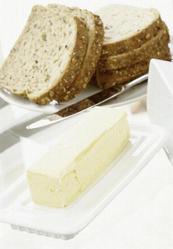
There doesn't appear to be any organised effort here to educate consumers about trans fat and curtail its use, but other countries are taking steps to protect their citizens from this known artery-clogging, heart-unfriendly substance hidden in some processed and packaged foods. Remember, heart disease is still the number-one killer in Jamaica and around the world.
Late last week, for example, another United States (US) city, Boston, placed a ban on the use of trans fat in its restaurants, grocery stores, schools and hospitals. Public health authorities approved fines of up to US$1,000 when the ban is effectively in force in September. Other US cities, such as New York and Philadelphia, already have in force similar bans.
The evidence has been clear, for some time, that trans fat is toxic and is now the most dangerous of fats in food. Also noted on food labels as partially-hydrogenated fats or oils, trans fat is placed in food to extend shelf life and to boost flavour. However, it is said to have a double-barrel effect on blood cholesterol by not only raising the levels of 'bad' cholesterol (that is, the LDL levels), but also lowering the levels of the 'good' cholesterol (that is, the HDL). With this combination, the risk for heart disease significantly increases in persons taking heavy doses of trans fat in their diets.
It's bad for heart health
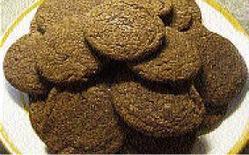
cookies crackers margarine fries cakes
Since trans fat is unsaturated and comes mainly from plant oil, scientists originally thought that it was a healthy alternative to animal fats in food; it was not until about 1990 that they made the 'discovery' that this particular fat acts in this double-barrel way against health. Subsequent studies, since the 1990 'discovery' have confirmed the terrible effect of trans fat on our heart health. Trans fatty acids have been linked to heart disease in people and to diabetes in laboratory animals. The scientists say that some amount of trans fat occur naturally in some foods. However, they say that it is the artificial trans fat, added to food which is toxic to people.
With such conclusive evidence from the scientific community, the silence of local health authorities on the matter, to use a cliché, must certainly be described as deafening. (Though some fast food chains have already taken the decision to reduce trans fat in their meals).
If consumers take the time to read labels before putting food items into their shopping carts, they will notice that most of the baked products - the variety of cakes, cookies, crackers - are loaded with dangerous trans fat. Then there are the fried products, like your French fries and doughnuts, which are other dumping grounds for trans fat.
Another issue to be aware of is that whereas in some countries manufacturers are required to list trans fat on labels, in the nutrition panel, there is no such requirement here. However, you can pick up trans fat use if you see 'shortening' listed among the items in the ingredient content panel of your label. You see, shortenings and some margarines are loaded with trans fat. Some of the pre-packaged peanuts and other assorted nuts in packages also contain 'partially-hydrogenated fat' or 'partially-hydrogenated vegetable oil' which are the other names for trans fat.
Saturated fat replacements
Since the international campaign and ban on trans fat, some food manufacturers have been producing items free of trans fat, but they have been substituting trans fat with other types of oils - coconut, palm kernel and palm oils - which contain a lot of saturated fat (the health recommendation is to limit overall fat intake, including saturated fat, in the diet).
And so, even when there is no trans fat listed on the label, consumers should still look out for the saturated fat replacements which also put a dent in heart health.
eulalee.thompson@gleanerjm.com