Howard Campbell, Gleaner Writer
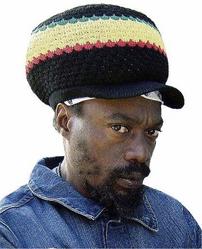
Michael Rose - File
MICHAEL Rose has fond memories of growing up in Waterhouse, the second child of a 'litter' born to working-class parents. It's where he started a career that has made him one of roots-reggae's acclaimed singers.
Last year, the 50-year-old Rose went back to his hometown to work with producers Lloyd 'John John' James and DeMarco at the famed King Jammys studio. The result is the soon-to-be-released album, Michael Rose Returns to Kingston 11.
Already, the collaboration has borne fruit with the song Shootout (featuring Damian 'Jr Gong' Marley) becoming a popular club and radio hit. It is the first time in almost 20 years that Rose has made local charts.
"This jus' show people sey things still can gwaan wid the elders. Look pon Sly and Robbie, dem a elders and still a mek some great beats," Rose told The Gleaner last week.
International fame
Rose was scheduled to appear with Black Uhuru at last Saturday's Smile Jamaica/Africa Unite concert at the James Bond Beach in Oracabessa. He achieved international fame with that group in the 1980s, winning the first Grammy Award for Best Reggae Album in 1985 with Anthem.
The computerised sound on Michael Rose Returns is a far cry from the heyday of Uhuru, a roots trio that also included founder Derrick 'Duckie' Simpson and Puma Jones.
In addition to Jr Gong, Rose teams with other youngbloods such as Busy Signal on Real Jamaican and with Assassin on Living Love. He said he and the young Marley have developed a mutual respect.
"One day him jus' pass through the studio an' hold a vibes, tell mi how him love the song (Shootout). So, him jus' voice it," Rose related.
Rose recorded Shootout solo at a studio which is an institution in a community scarred by years of political and gang violence. He remembers more peaceful times in his formative years.
"Dem days did alright, yuh nuh. Is not like today wid the whole heap a gun thing," he said.
Maiden session
Early in his career, Rose said he listened to all types of music, from the soul of The Dells to the lovers rock of Dennis Brown and Ken Boothe. In 1976, he recorded for the first time, for producer Winston 'Niney' Holness. One of the songs from his maiden session was Guess Who's Coming to Dinner.
After a stint on the north coast hotel circuit with the Happiness Unlimited band, Rose said he returned to Kingston where he met drummer Sly Dunbar, a friend of his older brother Joseph.
As a solo act, he cut two songs for Dunbar: cover versions of Bob Marley's Sun is Shining and Dawn Penn's No, No, No. In the late 1970s, he linked with Simpson and became singer of Black Uhuru.
The group recorded for Dennis Brown's DEB label with little success, but 1979 saw a change in fortunes. They became the pet project for Dunbar and production partner Robbie Shakespeare's Taxi Records which released a slate of hits including Guess Who's Coming to Dinner, General Penitentiary and Plastic Smile.
With backing from Island Records, Black Uhuru took off internationally in the early 1980s with several well-received albums. But shortly after Anthem's historic win, Rose left the group, reportedly due to a falling out with Simpson.
He had a relatively successful solo career with Heartbeat Records before patching things up with Simpson four years ago.
"Wi jus' get together an' share a joy, agree fi let bygones be bygones," Rose said.
Black Uhuru, with Rose as lead singer, have done two European tours since his reunion with Simpson. While he is excited about finding a new, younger audience, Rose said his message of upliftment remains.
"Mi have a standard and mi have to hold it. Wi cyaan bother wid the run up and down ting cause wi been there done that," he said.
Sounds from 'Firehouse'
The Wailing Souls recorded the song Firehouse Rock as tribute to the Waterhouse community.
Michael Rose's trademark, tu tu tweng, has been duplicated by singers including Junior Reid, his predecessor in Black Uhuru.
Reggae's computer age began at the King Jammys studio in 1985 with singer Wayne Smith's song, Unda Mi Sleng Teng.
Rose says his favourite Black Uhuru album is Sinsemilla.
Waterhouse was the epicentre of 1990s dancehall. Shabba Ranks, Home T and Cocoa Tea all recorded big hits for producers King Jammys and Bobby Digital.


















