David Jessop, Trade Writer
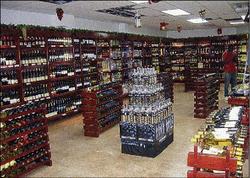
Rums and wines on display in the liquor section of MegaMart. Spirits have been placed on the exclusion list of goods to be protected from European competition. - File
Among the most difficult issues to resolve in the final months of the negotiations with Europe for an Economic Partnership Agreement (EPA) was how much of its trade the Caribbean could exclude from the removal of tariffs.At the heart of a debate was some arcane but internationally accepted language that suggested that any new trade agreement must cover 'substantially all trade' if it were to meet the requirements of World Trade Organisation members.Although this expression is generally taken to mean that 20 per cent or less can be excluded, there are many exceptions.However, in the region, many Caribbean nations and industries felt strongly that this figure was too low. This was because some nations and industries wanted continuing protection against European products because these were similar to those produced domestically - insecticides for example.In other cases, there was a desire to have excluded from tariff reductions similar categories of products that might compete with local products, for example, imported spirit drinks and beers.
Treasuries worried
At the same time, treasuries were worried that if they accepted too many tariff reductions on high value imports, governments would suffer a sudden and damaging fall in revenues.All of which was made more complex by the fact that the Dominican Republic had previously agreed to liberalise most of its market as party to a Central American agreement with the United States in mid-2004.It was only after months of intra-Caribbean debate and dissent, that Caribbean negotiators were able to make on December 1 an offer that covered the eventual liberalisation of slightly more than 80 per cent of European Union trade.However, even then for the European Commission, the phasing in of some items was unsatisfactory.Finally on December 7, Caribbean heads of government agreed to include the high value items of motor vehicles, cellular phones and gasolene, thereby ensuring that 80 per cent of total imports by value from the EU would be liberalised in 15 years.It was agreed that a wide range of sensitive goods would be completely excluded from tariff reductions either indefinitely or in a few cases after 25 years have elapsed. Additionally, the EPA allows for a three-year moratorium before any fall in customs duties on EU imports, except automobiles and gasoline where there is a 10-year moratorium.Importantly, Cariforum also retained the right to maintain customs user fees, excise taxes, stamp duties, environmental levies and other charges for up to 10 years with no obligation to commence the liberalisation process before seven years.
Liberalised access
For its part, Europe liberalised access for all Caribbean goods.Under the terms of the EPA, it granted duty-free quota-free treatment as of January 1, 2008 for all regional exports meeting the EPA's rules of origin criteria. Only in the case of rice and sugar was there a transition period of just two years.When it comes to services liberalisation, Europe opened more than 90 per cent of its sectors while CARICOM will open between 65 and 75 per cent, and Dominican Republic above 90 per cent.So what are the products that appear on Cariforum's 17-page list of exclusions from the EPA?Eclectic would be the word that best describes the range of products but for the sake of simplification it is possible to group the very many tariff headings that it covers into some general order.Very broadly, the items that will remain protected are: furniture; steel and steel products; linen and tableware; clothing; paper ware; wickerwork; extruded plastics, toiletries, insecticides, disinfectants, candles, certain beauty products, essential, oils, paints, tobacco, cigarettes and cigars, spirit drinks, ethanol, sugar cane products, beer, wines and cider and a very wide range of foodstuffs.All will remain subject to existing levels of duties when imported from Europe.In the case of services the schedules exclusions are much harder to summarise. They indicate across 178 pages many exceptions to liberalisation either generally or more specifically in areas by country that range from, for instance, the establishment of small hotels to tour bus driving.What this means is that both goods and services providers in Jamaica have to read the schedules by tariff line to see how any product they import or produce or service they provide is to be treated after 2011.
david.jessop@caribbean-council.org


















