Robert Lalah, Assistant Editor - Features
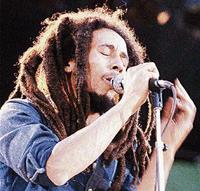
BOB MARLEY
In recognition of the anniversary of the birth of reggae icon Bob Marley, The Gleaner spoke to some of the people who knew him best, to get their 'memories of Marley'.'Cat' first met Bob Marley when he was only 11 years old. Both of them were born in Rhoden Hall, St Ann, and moved to Kingston in search of a better life. He lived in the same yard in Trench Town as the reggae singer for several years."Well, living among Bob Marley was like living in a temple. There was something special about him that we who lived around him could see from even those days. Bob was special. Him did have an inborn conception for truth and justice. I remember when I was younger, I borrow a penny from my father to watch Bob perform and from that time, I realise that Bob was Christ in his kingly character. Bob opened the way for reggae music, Rastafari and for Jamaica. My father used to tell me that Robby was going to be big one day. Now it come to pass. The world come to see what we saw from long time. Bob Marley is more than a singer. He is a spiritual father."
( L - R ) Cowan, 'Cat' - File
Veteran musician Tommy Cowan worked with Bob Marley for several years. Cowan was a member of the famed 1960s group, 'The Jamaicans', when he first met Marley. They were both fighting hard at that time to make it big in the music business. Cowan would later become part of the Tuff Gong family, working and travelling with Marley as marketing manager of the company."One of the greatest things about Bob was that he realised and demonstrated that it is the effect that you have on other people's lives that is important, not money and fame. Many people still do not understand the impact that this man had on people across the world. I remember that in Rhodesia, a person could be imprisoned if found in possession of a Marley album. They would get two years if it was the Kaya album. In France, when we got done with a shows and went back to the hotel, there was a crowd of women there at 3:00 a.m., waiting for Bob. All they wanted was for him to touch their babies' heads. We were not allowed to drive on the roads of Paris without a police escort because of the chaos Bob's presence would cause. At a concert in Milano, Italy, the soldiers had to literally lift cars out of the way to allow us to get through. They actually picked up the cars and moved them! In that town we attracted a crowd bigger than the Pope did. There was another town in Italy whose mayor paid us not to perform because of the crowd control that would be required."Lorna Wainwright is manager of the Tuff Gong Recording Studio on Marcus Garvey Drive in Kingston. She first met Bob Marley while living next to him on Hope Road, St Andrew."I used to climb up in a tree and look over. I was fascinated with the family at the time. I remember the day that Bob saw me and asked me my name. Soon after that, he saw me again and he asked me why I was looking so sad. I told him that I had gone on an interview at IBM that day, and I could tell that I wasn't going to get the job. I told him that I was sure that the reason I wasn't going to get the job was because I wore locks. I told him that I was frustrated because employers were not looking beyond the locks. All they wanted to know was that I was a Rasta and that was the end of it. I remember clearly what Bob said to me next. He said I should not worry because one day he would start a company that would be owned and run by Rasta. Then, he said, I would have no problem getting a job."
robert.lalah@gleanerjm.com
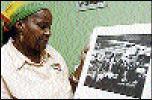
Wainwright


















