
Rosalee Brown
Persons over 50 but younger than 60 are not really considered elderly; the elderly can be categorised as 65 to 74 and the older elderly as 75 years and older. As we age, however, our physiology changes and, with it, our nutritional requirements.
Energy needs
One significant change for older individuals, in general, is their energy needs. The physiological changes involve an increase in the percentage body fat compared to muscles and subsequently a reduction in energy need. With this reduction in energy need, ideally, there should be a reduction in energy intake to prevent storage in the form of fat.
This excess energy is often stored in areas such as the abdomen and other such areas under the skin and around organs, creating problems such as increased risk of chronic non-communicable diseases such as diabetes, high blood pressure, cardiovascular diseases and even skeletal related diseases such as arthritis.
This problem of excess energy is often the single cause of many diseases. As many persons age, their situation, socially and financially, improves and they usually can afford to consume meals more often, including 'richer foods'. They become less active, not only because of declined muscle mass but because they drive around, have paid help and are often too fatigued from the rich foods and limited movement to be bothered with structured activities such as exercise.
Then there is the other group of elderly who, because of limited financial resources, consume excess energy because of the difficulty in obtaining variety from all the food groups in the daily diet and the economical accessibility of cheaper options such as high- energy, sparse-nutrient foods.
Vitamins, protein and fibre needs
The protein, vitamin and mineral needs are in general the same as we age and we, therefore, need to continue with the consumption of lean meats and/or legumes, fruits, vegetables, limited fats and adequate staples for energy.
Fibre is always beneficial and continues to be important in the elderly, as often their bowels can become sluggish and whole foods, rich in fibre, can solve this problem. Fluids are also important and water is beneficial to keep the body hydrated and is also preferred to excess sweet drinks.
There are some vitamins and minerals which the elderly should pay special attention to:
Vitamin D and calcium - which are important for skeletal health in addition to many other functions. Excellent food sources for vitamin D are dairy, green vegetables and fish liver oil.
The mineral zinc is also important in bolstering the immune system and meats and whole grains can provide good sources. Guidance should be sought from the physician on the appropriateness of their individual supplementation.
Restricted diets
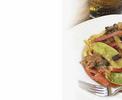
Older persons should always eat balanced meals.
Many elderly persons already have chronic diseases and may self-restrict food intake in an effort to manage these conditions. However, it is advisable that they visit their health centres, hospitals and other health facilities to get proper guidance from a nutritionist or dietitian. This is very important as improper restrictions can result in poor nutrition, especially over extended periods.
Some persons with poor appetites and illness which cause restricted food intake should avoid sparse nutrient foods such as cup soups and sodas/drinks to replace meals. They should be guided on consuming nourishing meals which are simpler to prepare, such as soups, porridges, sandwiches etceteras.
The consideration in ageing is continued good nutrition with foods from all the food groups, variety and a reduction in total energy or calories.
Rosalee M. Brown is a registered dietitian/nutritionist who operates Integrated Nutrition and Health Services; email: yourhealth@gleanerjm.com.