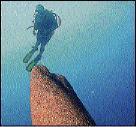
A diver hovers over a coral in the ocean off Port Antonio, Portland. - File
SWITZERLAND (CMC):
The Switzerland-based World Conservation Union (IUCN) says warmer seas and a record hurricane season in 2005 have devastated more than half of the coral reefs in the Caribbean.
In a report released Wednesday, the IUCN warned that this severe damage to reefs would probably become a regular event, given current predictions of rising global temperatures due to climate change.
According to the report, 2005 was the hottest year on average since records began, and had the most hurricanes ever recorded in a season.
The report said the storms damaged coral by "increasing the physical strength of waves and covering the coast in muddy run-off water from the land."
"The higher sea temperature also caused bleaching, in which the coral lose the symbiotic algae they need to survive," it said. "The reefs then lose their colour and become more susceptible to death from starvation or disease."
Severe Bleaching
Carl Gustaf Lundin, head of the IUCN's global marine programme, said it is highly likely extreme warming will happen again.
"When it does, the impacts will be even more severe," he warned. "If we don't do something about climate change, the reefs won't be with us for much longer."
He said some of the worst-hit regions of the Caribbean, which contain more than 10 per cent of the world's coral reefs, include the area from Florida through to the French West Indies and the Cayman Islands.
Lundin said, in August 2005, severe bleaching affected between 50 per cent and 95 per cent of coral colonies and killed more than half, mostly in the Lesser Antilles.
The IUCN report highlights pressures on coral reefs in addition to those of over-fishing and pollution identified in recent years.
Coral reefs are an important part of the marine ecosystem, supporting an estimated 25 per cent of all marine life, including more than 4,000 species of fish.


















