Mark Titus, Freelance Writer
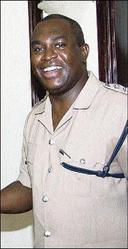
Superintendent Steve McGreggor - File
WESTERN BUREAU:
In response to criticism that its members are ineffective and unprofessional, the Jamaica Constabulary Force (JCF) is employing various strategies to tackle the escalating crime rate in the country.
However, citizens have reportedly taken issue with the new policing strategy by members of the constabulary as some are of the view that they are getting more of a disservice than a service.
In Montego Bay, the citizen's tentative acceptance of Superintendent Steve McGreggor, commanding officer for the St. James division, and his team's community policing approach is slowly being eroded by the alleged atrocities of the much-feared Alpha Squad from Kingston, who were brought into the Second City to tackle the hard-core Stone Crusher Gang.
Along with a number of questionable shootings, notorious among the grievances against this elite unit is the reported random arrest and photography of individuals.
When contacted, Assistant Commissioner of Police Glenroy Hinds, head of Operation Kingfish, said the practice is legal.
"The amendment of the fingerprint law allows, under certain circumstances, the photography and finger printing of suspected persons but only under prescribed circumstances can this be done," he said. "There is also a regime that allows for persons who have not been charged, for their fingerprint and photos to be legally destroyed."
New law
The new law provides for the fingerprinting and photographing of suspects for all offences against the Dangerous Drugs and Firearms Acts, among other laws, while persons who commit certain offences under the Road Traffic Act, such as driving under the influence of alcohol or drugs, will also be subjected to fingerprinting and photographing before going to court.
However, some law practitioners have argued that the proposed amendments are unnecessary and humiliating and open the door to arbitrary arrests and ill-treatment at the hands of the police. They also posit the move is especially disturbing in the aftermath of the passing of the Mutual Assistance (Criminal Matters) Act that, they maintain, violates the rights of confidentiality of communication between attorneys and their clients.
"The photographing of a suspect is a dangerous precedent," said renowned constitutional lawyer, Clayton Morgan, "This is a violation of the constitutional rights of citizens."
He added: "When you photograph a suspect, it can interfere with police work and cause the Crown to lose a lot of cases. The defence counsel can have that case overturned on the grounds that the picture of the accused was shown to the complainant, so a lot of identification parades will be compromised, therefore the rights of the accused can be easily breached as well."
Cabinet approved the amendments of the act in 2006.
mark.titus@gleanerjm.com


















