
Rosalee Brown
Our exquisitely designed body relies on food for its proper functioning. All body parts have specific needs. The teeth (as we know them) are not produced in the first year of life when the infant has its first showing, but start developing as early as the sixth week of gestation. Good nutrition in the mother is, therefore, important to the good dental health of the infant.
Breast feeding in the infant ensures the continuation of good nutrition, along with transitional foods at six months, which should be taken from all the food groups and consumed throughout the day. These foods should preferably be table foods or foods from the family pot, supplemented with continued breast feeding. Foods from a wide variety of sources throughout life will help to preserve good dental health.
Dental caries or decay is one of the leading diseases of the teeth. There is a vast body of evidence which indicates that sugars are the most cariogenic (caries-inducing) item in the diet. The plaque which sticks to the surface of the teeth when they are not properly cleaned or around the gum, facilitates caries.
Sugars from the diet enter the plaque and are broken down to acids by the large percentage of microorganisms in them. This changes the alkaline pH of the plaque to one which is acidic, causing the process of decay to start. Studies show that free sugars in foods such as confectioneries, table sugars and soft drinks, are more cariogenic than other sugar-containing foods starches in general have lower percentages of cryogenic factors, cooked starch are even less cariogenic than uncooked starch. Some studies have shown that acids in the diet or sugarless sodas can increase the risk of dental caries.
Saliva and fruits
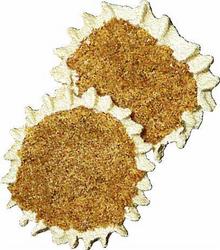
Sugary treats are tasty but are teeth's worst enemy.
Ian Allen/Staff Photographer
The saliva plays a vital role in preventing dental caries and foods that increase salivary flow such as proteins, are not considered cariogenic. The composition of the saliva is also of importance, as its calcium and phosphate content can create a buffer for the surface of the teeth.
Foods high in fibre, such as fresh fruits, have a positive effect in helping to clean the teeth even though they are high in sugars. Other trace minerals such as fluoride have been shown to have a positive effect on teeth during formation and can also strengthen teeth when applied topically, especially in children. So fluoride in water and toothpaste can be beneficial.
Keeping the mouth moist is beneficial and so drinking water (to prevent dehydration and thickened saliva) is good and also chewing sugarless gums can increase saliva flow and the sugar alcohols in these gums are shown to be non-cariogenic.
Other measures are brushing and flossing and rinsing after meals or chewing sugarless gums when brushing is not possible. Getting regular dental examinations and management is also vital.
Dental health and poor nutrition
Missing teeth or painful teeth and gums can prevent chewing of foods resulting in indigestion and total avoidance of foods such as those high in fibre like fruits and vegetables resulting in poor health. Preservation of teeth does not only promote a beautiful smile and face but helps in ensuring good nutrition.
Rosalee M. Brown is a registered dietitian/nutritionist who operates Integrated Nutrition and Health Services; email: yourhealth@gleanerjm.com.


















