
Monique Rainford
I must admit that I was appalled by an article, published in The Gleaner on October 6, regarding a 19 year-old Jamaican young woman who travelled by air to Jamaica from the Cayman Islands after her water broke at 29 weeks of pregnancy.
I recognise that there is more than one side to every story so I read with interest the response of the Cayman authorities. Unfortunately, it provided me with little comfort. I do realise, however, that hearsay is certainly different from being in the actual situation and that there are certainly facts to which we as readers are not privy. Nevertheless, I have decided to shed some light on what is means when a woman's water breaks before full term.
Premature rupture of membranes (PROM) occurs when a woman's water breaks before she begins labour. If this occurs before she has completed 37 weeks of pregnancy, it is known as preterm, premature rupture of membranes (PPROM). The causes of this condition are not known but it occurs more often in women of lower socioeconomic status.
Womb infection
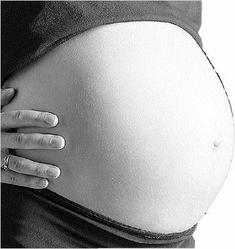
Other risk factors include an infection in the womb, cervical incompetence (weakening of the neck of the womb), bleeding during the first or second trimester and smoking. Nevertheless, it occurs in many women without any identifiable risk factors. PPROM leads to about 30-40 per cent of preterm births.
The time in pregnancy at which PPROM occurs greatly affects the chances of the baby's survival and unfortunately, most women will give birth within a week of rupture of membranes. Treating the pregnant mother with certain antibiotics has also been shown to not only prolong pregnancy but to decrease the health risks to both mother and baby.
Babies born before 24 weeks of pregnancy are not usually able to survive. According to one article (published in the United States two years ago) of babies who are born at 24 weeks, about 40 per cent will survive but of the survivors many will have minor problems such as delays in achieving certain developmental goals. Some serious complications in the baby could occur including mental retardation, blindness, cerebral palsy and chronic lung disease. The survival rate greatly depends on the sophistication of the new born intensive care unit. The survival rate is not likely to be the same in Jamaica given the limitations of our facilities.
No travelling
From 24 to 32 weeks of pregnancy, the longer a women is able to remain pregnant, both significantly increases the baby's chances of survival and decreases the chances that the baby will have any complications. However, there are risks to mother in prolonging the pregnancy and this includes infection in the womb, haemorrhaging after delivery of the baby, placental abruption (separation of the placenta from the womb) and rarely, infection of the woman's blood, which can be a very serious condition.
Many experts, including world-recognised organisations, would agree that a woman should not travel with any condition that places her at risk for unpredictable delivery and this includes PPROM. However, situations may occur where a woman who is at risk for early delivery may need air transfer to a facility more equipped to accommodate her premature infant, an air ambulance may be more appropriate.
Several years ago, for example, a close family friend had such a complication. She was transferred from Jamaica by air ambulance to a Florida Hospital at 31 weeks of pregnancy her baby girl had to remain in the hospital for one month, she is now a healthy seven-year-old.
Dr. Monique Rainford is a consulting obstetrician and gynaecologist; email: yourhealth@gleanerjm.com.

















