Heart disease is still the world's number one killer. One overlooked but important aspect of heart function is the heartbeat. Many of the deaths from heart attacks are actually due to disturbances of the heartbeat. The human heart beats (pumps) over 100,000 times every day, or about 70 times a minute, every hour of the day, every day of the year. We never think about it unless something goes wrong.
The heart even has the capacity to automatically adjust its beat to suit the changing needs of your body. No manmade pump could function with this level of efficiency. Your heart will beat 3,000 million times in your lifetime and pumps 48 million gallons of blood. Blood will travel over 60,000 miles per day through your body.
We are indeed fearfully and wonderfully made. However your heart's rhythm is not always as regular as clockwork. In truth, we all have some measure of irregu-larity to our heartbeats. No one's heart rhythm is perfectly regular. Mild beat-to-beat variation, may in fact, indicate good overall health. Physically fit athletes, for example, may have the greatest degree of heartbeat variation. However, your heart's rate or rhythm can exceed healthy limits. This condition is called an arrhythmia.
Some arrhythmias are benign and are simply an annoyance (albeit a frightening one when your heart feels as though it is jumping and racing). Others, however, can be life threatening.
UNDERSTANDING THE HEARTBEAT
The normal heart rate ranges widely, depending on age, fitness level, mood, physical activity, and fluid and drug intake. The range considered normal and safe is 50-99 beats per minute. Rates at the lower end may suggest fitness, as in the case of long-distance runners heart rate can also decline with age and disease.
Sustained rates at the high end (say above 85 beats per minute) can be due to problems in the heart itself or may suggest other disorders such as anaemia, dehydration, thyroid disorders, infections, obesity and anxiety.
HEART RHYTHM
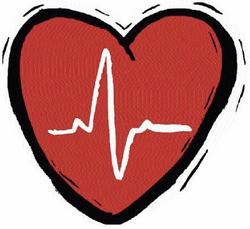
The rhythm of the heart is also important. An irregular heartbeat may present as a feeling of the heart skipping a beat or a sudden racing of the heart. A special test called an Electrocardiogram (ECG or EKG) can be performed by your doctor to carefully examine your heart rhythm.
Despite changes in rate and rhythm, the heart must maintain its essential function: to pump blood throughout the body. If the heart beats too slow too fast, or too irregularly it may struggle to do its job. When your heart's blood output diminishes, we can become light-headed, breathless, and even lose consciousness. In the worst case, some arrhythmias can be fatal. Sustained heart rates that are less than or greater than the normal range should be evaluated by a physician.
Interestingly, in traditional Chinese Medicine, the pulse is used as a tool to diagnose a lot of other problems apart from heart disorders. This is called Pulse Diagnosis and is amazing skill.
MAINTAIN A HEALTHY HEARTBEAT NATURALLY
Several lifestyle strategies are useful for a healthy heartbeat?
GOOD NUTRITION: Emphasising five to nine daily servings of vegetables and fruit and adequate healthy protein, particularly soy and fish is very important. I strongly recommend the Cellular Nutrition Programme to complement your diet.
CORRECT OBESITY Especially the fat around the waistline is critical. Very effective, doctor recommended, weight loss programmes are readily available in Jamaica.
EXERCISE: Adopt an active lifestyle including a regular exercise programme.
MANAGE STRESS
Poorly managed stress is a very common cause of an irregular heartbeat. The classical panic attack is an exaggerated stress
reaction in which the sufferer commonly experiences a racing heart, difficulty in breathing and sometimes chest pain. Practice relaxation techniques and learn to manage stress in a healthy way.
CORRECT CHRONIC DISEASE
Conditions like diabetes and high blood pressure are particularly bad for the heart and must be dealt with by a programme that emphasises lifestyle modification, not just medication. If you have concerns about your heartbeat, always check with your doctor first to exclude medical disorders.
AVOID EXCESS
STIMULANTS
Excessive amounts of caffeine found in coffee, some teas and soft drinks should be avoided. I believe that there is nothing intrinsically wrong with caffeine and that it has many useful properties. Excess however is bad and some people are quite caffeine sensitive. In general be moderate.
BE CAUTIOUS
WITH DRUGS
Nicotine, alcohol, cocaine, marijuana as well as a long list of prescription drugs can affect the heartbeat. Many common non-prescription drugs can also cause an irregular heartbeat.
SUPPLEMENT
Finally, here is a list of some natural supplements that help promote a healthy heatbeat.
FISH OIL
Inexpensive, safe, and effective, fish oil is the closest thing we have to an ideal anti-arrhythmia drug. Fish oil is the most concentrated source of the omega-3 fatty acids - technically called EPA and DHA. Fish oil not only sharply reduces the frequency of irregular beats, but also diminishes the risk of death from dangerous arrhythmias. Fish oil achieves all this without significant side effects, an advantage lacking in all prescription anti-arrhythmia medication.
A secondary source of omega-3 fatty acids called ALA is found in foods like flaxseed, walnuts, and canola oil. When humans ingest ALA, however, only 10 per cent of it is converted into the active EPA or DHA that helps the heart. So your best bet is fish oil,
MAGNESIUM
Magnesium is a crucial nutrient that helps ensure the proper functioning of the human body, particularly the heart. Unfortunately, on average we consume far less than the recommended dietary allowance. Low magnesium levels promote abnormal heart rhythms.
Moreover, research has demonstrated that our magnesium intake is dropping precipitously as we consume even greater amounts of magnesium-depleted processed foods. The biggest offended is probably soft drinks. They are manufactured using water that is essentially devoid of magnesium. These sodas also contain phosphates that prevent magnesium being absorbed into your system. To make matters worse, we are drinking more bottled water, many brands of which contain little or no magnesium.
Because low magnesium tissue levels are so common, everyone with an irregular heartbeat should use magnesium supplements. They should also eat lots of magnesium rich foods - nuts, beans and green leafy vegetables.
COENZYME Q 10
Coenzyme Q10 (CoQ10) is a substance found in the mitochondria (energy generators) of all the body's cells, especially the heart cells. Arrhythmias more commonly occur when the heart muscle is weak. Research shows that CoQ10 supplementation can benefit people with weakened heart muscle and may help lessen the risk of arrhythmias. It is a safe, natural, effective nutritional agent that is virtually free of side effects,
HAWTHORN
Hawthorn (Crataegus oxyacantha) is a small, European tree whose berries, flowers, and leaves have been used therapeutically since the Middle Ages as an aid in treating heart failure. Recent studies suggest that it helps to reduce irregular heartbeat.
Take good care of your heart and it will take good care of you!
You may email Dr. Vendryes at info@anounceofprevention.org visit him at www.anounceofpre vention.org or listen to An Ounce of Prevention on POWER 106FM on Fridays and Saturdays at 8:00 pm.