
Rosalee Brown
Many of us Jamaican women have a close association with or know of someone affected by breast cancer.
Breast cancer is one of the cancers most women think of and even worry about. There is no vaccine or other method to prevent the condition but there are published risk factors for breast cancer:
Risk increases with age
Family members with breast or ovarian cancer, or the presence of the BRCA1 and BRCA2 genes
Starting your menstrual period before age 12 or going into menopause after age 55
Being overweight
Hormone replacement therapy
Birth control pills
Not having any children
Having children after age 35
Having dense breasts
Drinking alcohol
Risk reduction
Some risk factors we can modify but there are others over which we have no control such as our genes and increasing age. Measures such as components of some diets and specific compounds have shown promise in some cancers in small studies. Conclusions about risk reduction have also been drawn from looking at the lifestyle habits of some populations.
Flaxseed
Also known as linseed, flaxseed is a rich source of lignans, which is a major class of phyto-oestrogen. The benefits of their weak plant oestrogen is theorised to displace the body's oestrogen by attaching to oestrogen receptors on breast cells, thereby preventing the body's strong oestrogen from nourishing breast cancer cells.
Phytochemicals
There are thousands of these compounds produced by plants but only a few of them have been extensively studied. Some studies have shown that phytochemicals can stop the formation of cancer cells or even their replication. Some known phytochemicals are caroteniods - found in fruits and vegetables; polyphenols - found in tea and isothiocyanates - found in cruciferous vegetables such as those of the cabbage family.
Soy
The legume, soybean, is also high in antioxidants such as phynolic acids and phytates. Among its many other health benefits is its rich source of a plant oestrogen called isoflavones. In general, isoflavones are beneficial but there have been concerns raised about its use among persons with hormone-positive breast cancers on hormonal therapy such as tamoxifen.
The fear is that the isoflavones may compete for the same oestrogen receptors and if it delivers a stronger oestrogen effect than the drug, it will be disadvantageous. This, of course, does not discount all the other benefits of soy and the concern is in regard to these specific cases. The isoflavones doses in supplements are of particular concern in this respect as well.
Mushrooms
Before menopause, the ovaries produce most of the oestrogen in women. After menopause, most oestrogen is produced from the hormone, androgen. Aromatase inhibitors can stop the enzyme, aromatase, from converting androgen to oestrogen and thereby reduce the production of the latter outside of the ovaries. With less oestrogen in the blood, there will be less to get to the receptors to promote cancer cell growth. Mushrooms contain high levels of conjugated linoleic acid which research is suggesting inhibits aromatase activity. These benefits are not for all breast cancers.
There are many other foods that have promising risk reduction potential for breast cancer, with a large portion of these being plant based. The evidence suggests that the benefits are greater when these foods work in synergy.
Rosalee M. Brown is a registered dietitian/ nutritionist who operates Integrated Nutrition and Health Services; email: yourhealth@gleanerjm.com.
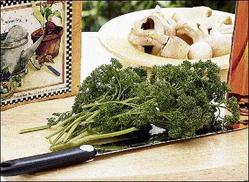
Compounds found in broccoli and mushrooms may reduce women's risk for breast cancer.