John Myers Jr., Agriculture Coordinator
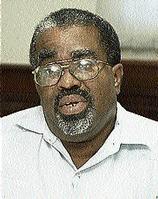

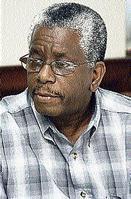
Left: Dr. Paul Jennings, CEO of the Jamaica Dairy Development Board. Center: Jasmin Holness, deputy director of research in the Ministry of Agriculture and Lands. Right: Norman Williams, animal nutritionist. - photos by Andrew Smith/Photography Editor
There are concerns that there might not be an adequate number of breeding herd available to facilitate the redevelop-ment of the cattle industry in light of the significant decline in the number of cattle.
This, as stakeholders in the livestock sector press Government for more resources to redevelop the beef and dairy sub-sectors, which have suffered a significant decline in the face of stiff competition from imports and the recent 'Mad Cow' disease scare.
Norman Williams, an animal nutritionist and the current general manager of Jamaica Egg Services Ltd., is concerned that "right now our numbers are really very low." Mr. Williams was participating in an Editors' Forum on the livestock sector at the The Gleaner's office in Central Kingston last week Wednesday.
He noted that "although the genetic base is there and the tremendous work that was done by the fathers of the industry in the '50s and '60s is still there, my concern is that in a period of expansion you are going to have a problem in finding good bulls to move the industry forward."
To address the problem, Mr. Williams suggested that the Government restart the "Performance Testing Programme again, where young animals from the various herds can be brought to a central place and fed a standard diet and assessed in terms not only of how they look, the phenotypic expression, but also of how they perform under feed lot conditions, and then select from those bulls for sale to other farmers."
In addition, he recommended that the current artificial insemination programme be revamped to fast-track the redevelopment of the herd stock.
Looking at the positives
But despite the significant reduction in cattle numbers, Dr. Paul Jennings, CEO of the Jamaica Dairy Development Board, expressed confidence that there was still an available supply of genetic material and breeding herd to facilitate the redevelopment process. "I really don't think you have a serious crisis," he said.
Dr. Jennings explained that "it's a matter of applying new technology such as embryo transfer and so on to accelerate (the process)." He pointed out that the Jamaica Hope, one of Jamaica's indigenous dairy breeds, began with just 420 registered animals.
Jasmin Holness, the deputy director of research in the Ministry of Agriculture and Lands, said the ministry was currently conducting a genetic audit of the herd stock through the Jamaica Livestock Association and the various cattle breed societies and committees in an effort to address the issue.