Shelly-Ann Thompson, Freelance Writer
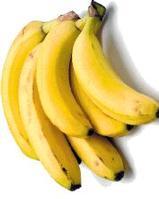
SIX FOOT, seven foot, eight foot, bunch, daylight come and mi waa go home! While Harry Belafonte could sing about going home in the Banana Boat song, Jamaicans had little to sing about on the morning of last September 11 after realising that Hurricane Ivan had blown away our precious bananas.
The industry took a $1 billion hit when 90 per cent of the crop was wiped out by the passage of the hurricane, said Senator Norman Grant, president of the Jamaica Agricultural Society.
Almost eight months later banana is on the comeback. Green and ripe bananas are available in markets and road stalls across the island, selling at roughly $40 for a dozen green bananas and $20 for a finger of ripe banana.
By July or August, there should be some momentum in the industry, said Senator Grant, who noted that the banana industry recovery programme has received assistance from The European Union, which provided a J$288 million (US$4.7 million) grant for herbicides, fertilisers and other material.
MORE ABOUT BANANA
The Spanish first imported bananas to Jamaica from the Canary Islands. The industry flourished from the late 19th century until the 1930s.
Wealth could be had from planting bananas in the late 19th century as the industry developed. Portland's soil and heavy rains were well suited for banana cultivation.
The man credited for pioneering and developing the banana trade out of Portland is Lorenzo Dow Baker, who arrived in Jamaica in 1870. The island was experiencing a decline in sugar production and increased competition from beet sugar. A new export crop was needed. Baker turned popular attention to banana, that had been regarded as a source of local food, particularly for black Jamaicans.
Banana is a quick growing crop that takes approximately nine months from planting to reaping.
Banana is neither a fruit nor a vegetable, but a member of the herb family.
Banana The Good
This food is low in saturated fat, cholesterol and sodium. It is also a good source of dietary fibre, vitamin C, potassium and manganese, and vitamin B6. (A low potassium level can compromise your health. This nutrient works with sodium like a seesaw to regulate blood pressure. When you consume too much sodium and not enough potassium, the balance is thrown off, increasing the risk of developing high blood pressure and coronary artery disease.)
Banana The Bad
A large portion of the calories in this food comes from sugars.
The average person eats 25 pounds of bananas a year.
Some information taken from: http://www.sidsnet.org/latestarc/trade-newswire/msg00085.html; http://www.bbc.co.uk/dna/h2g2/A536492; http://jamaica-gleaner.com/pages/history/story0027.html; http://www.tiscali.co.uk/reference/
encyclopaedia/hutchinson/m0019798.html


















